
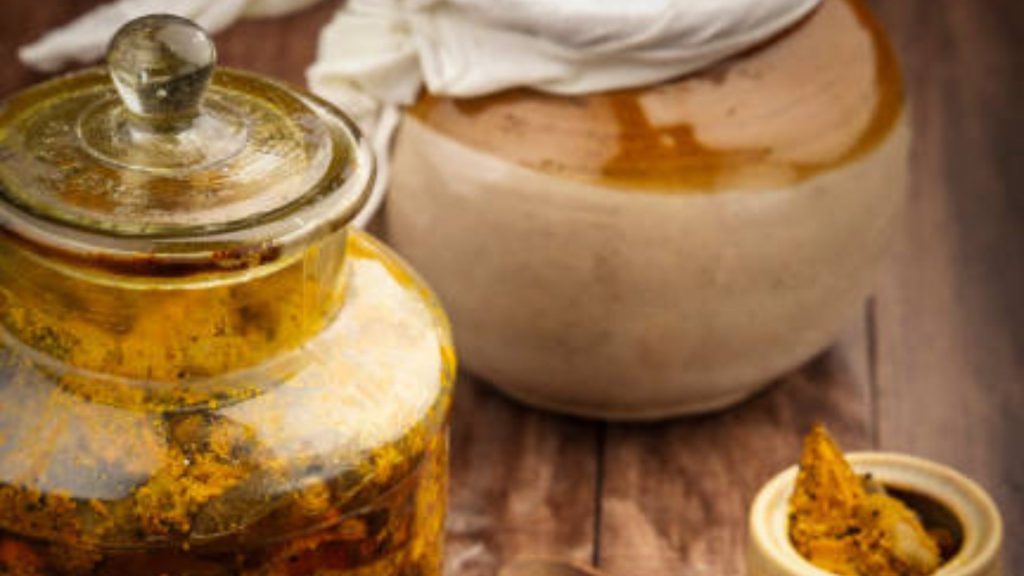
Homemade pickles are a delicious and rewarding way to preserve your favorite fruits and vegetables. However, ensuring that they remain safe to eat is essential. Proper storage is the key to maintaining the quality and safety of your homemade pickles. This guide will walk you through the best practices for storing your homemade pickles, covering everything from the initial preparation to the final storage.
The Importance of Proper Storage of Homemade pickles
Storing homemade pickles correctly is crucial to prevent spoilage and foodborne illnesses. Improper storage can lead to the growth of harmful bacteria, mold, and yeast, which can spoil the pickles and make them unsafe to eat. By following safe storage practices, you can enjoy your homemade pickles for months, or even years, without any concerns.
Preparation: The First Step to Safe Storage
Before you even think about storing your homemade pickles, it’s important to start with the right preparation. Here are some steps to ensure that your pickles are ready for storage:
- Select Fresh Ingredients: Use fresh, high-quality vegetables and fruits. Discard any that are bruised or damaged, as they can spoil more quickly.
- Clean Thoroughly: Wash your produce thoroughly to remove any dirt or pesticides. This step is crucial in reducing the risk of contamination.
- Sterilize Jars and Equipment: Sterilizing your jars and equipment is essential. Boil your jars and lids in water for at least 10 minutes to kill any bacteria.
- Follow a Trusted Recipe: Use a reliable and tested pickle recipe to ensure the correct balance of acidity and salt, which are critical for preservation.
Filling and Sealing the Jars
Once your ingredients are prepared, it’s time to pack them into jars. Here’s how to do it safely:
- Pack Tightly but Leave Space: Pack the vegetables or fruits tightly into the jars, but leave about 1/2 inch of headspace at the top. This space allows for expansion during processing.
- Add Brine: Pour the hot brine (a mixture of vinegar, water, and salt or sugar) over the produce, ensuring that they are completely submerged. The acidity of the brine is what preserves the pickles and prevents bacterial growth.
- Remove Air Bubbles: Use a non-metallic utensil to remove any air bubbles trapped in the jar. Air bubbles can create pockets where bacteria can grow.
- Seal the Jars: Wipe the rims of the jars with a clean, damp cloth to remove any residue. Place the lids on the jars and screw on the bands until they are fingertip tight.
Processing the Jars
Processing the jars is a critical step to ensure that they are properly sealed and safe for long-term storage. There are two main methods: water bath canning and pressure canning.
Water Bath Canning
Water bath canning is suitable for high-acid foods like pickles. Here’s how to do it:
- Boil Water: Fill a large pot or canner with enough water to cover the jars by at least one inch. Bring the water to a boil.
- Process the Jars: Carefully place the jars into the boiling water using a jar lifter. Boil for the recommended time specified in your recipe, usually between 10 to 20 minutes.
- Cool and Check Seals: Remove the jars from the water and place them on a towel to cool. After 24 hours, check the seals by pressing down on the center of each lid. If it does not pop back, the jar is sealed. Any jars that did not seal properly should be refrigerated and consumed first.
Pressure Canning
Pressure canning is used for low-acid foods but can also be used for pickles if desired. Follow the manufacturer’s instructions for your pressure canner.
Storing the Pickles
Now that your homemade pickles are safely sealed in their jars, proper storage is key to maintaining their quality and safety. Here are some tips:
- Cool, Dark Place: Store your pickles in a cool, dark place such as a pantry or cellar. Avoid areas that are exposed to direct sunlight or temperature fluctuations.
- Temperature Control: The ideal storage temperature for pickles is between 50°F and 70°F (10°C to 21°C). Temperatures that are too high can cause the pickles to spoil, while temperatures that are too low can affect their texture.
- Label and Date: Label each jar with the date of preparation. This helps you keep track of how long the pickles have been stored and ensures you use the oldest jars first.
- Check Regularly: Periodically check your stored pickles for signs of spoilage. Look for bulging lids, leakage, or any unusual odors. If you notice any of these signs, discard the jar immediately.
Shelf Life and Consumption
- Homemade pickles, when stored properly, can last for up to a year or more. However, their quality may begin to decline after a few months. Here are some tips for enjoying your homemade pickles:
- Flavor Development: Pickles generally taste better after a few weeks of storage, as this allows the flavors to develop and meld together.
- Refrigerate After Opening: Once a jar is opened, store it in the refrigerator and consume the pickles within a few months. Always use a clean utensil to remove pickles from the jar to prevent contamination.
- Signs of Spoilage: Even if a jar is sealed, always inspect the pickles before eating. If you notice any mold, off smells, or changes in texture, discard the pickles.
Troubleshooting Common Issues
Despite your best efforts, sometimes things can go wrong. Here are some common issues and how to address them:
- Cloudy Brine: If the brine becomes cloudy, it could be due to minerals in the water or bacterial growth. If the pickles smell and taste fine, they are likely safe to eat. However, if in doubt, discard them.
- Soft or Mushy Pickles: This can result from overcooking during the canning process or using overripe produce. Ensure you follow the recipe and use fresh ingredients for the best texture.
- Unsealed Jars: If a jar doesn’t seal properly, refrigerate it immediately and use it within a few weeks.
Making homemade pickles is a satisfying and enjoyable process, but it comes with the responsibility of ensuring they are stored safely. By following the steps outlined in this guide—from preparation and canning to storage and consumption—you can confidently enjoy your homemade pickles while minimizing the risk of spoilage and foodborne illnesses. If you prefer convenience, you can always buy pickles online from trusted sources that offer no preservative pickles. Many vendors provide options to buy homemade pickles online ensuring you get the same quality as your homemade versions.
To find out the Garlic pickle recipe read or blog:
Step-by-Step Guide to Making Fresh Garlic Pickle (Achar)
Remember to check for the best places to order pickles online to find a variety that suits your taste.
Happy pickling!